
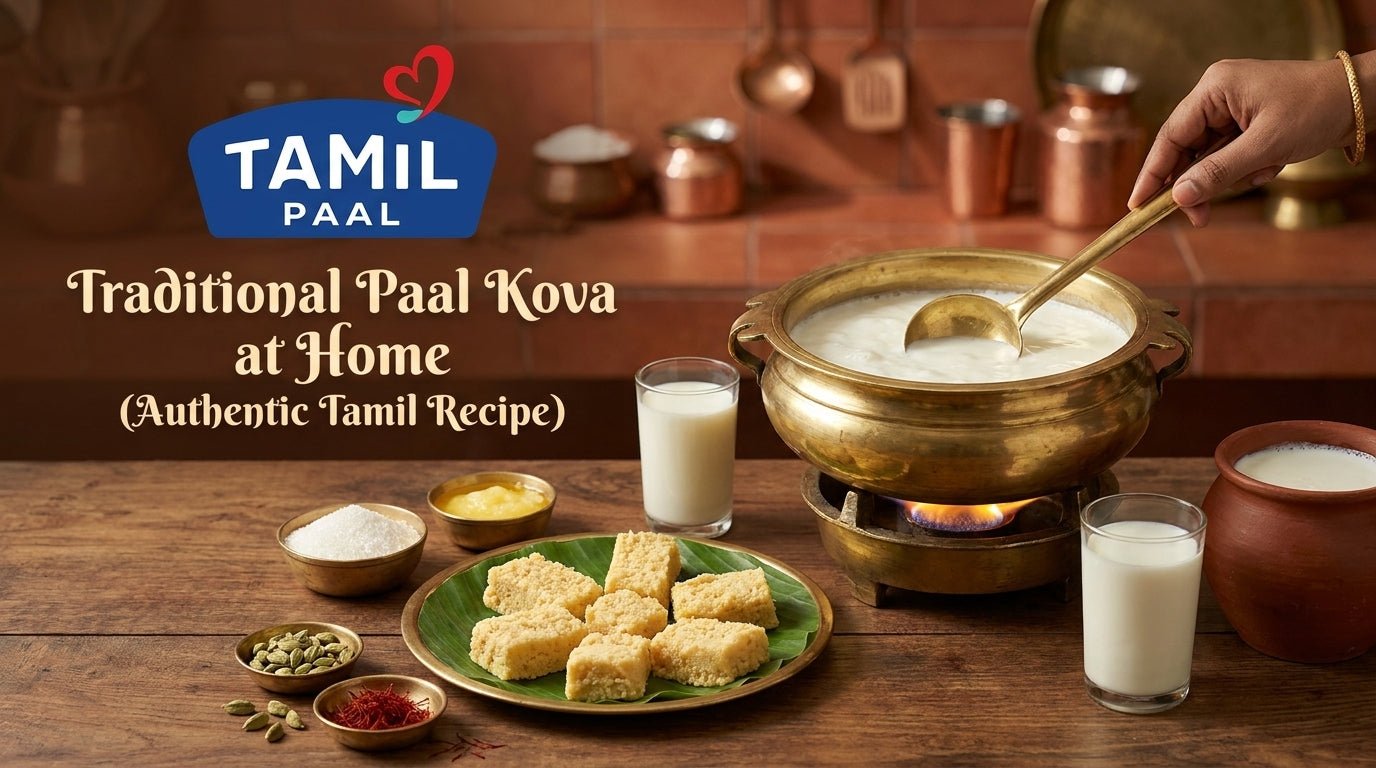
How to Make Traditional Paal Kova at Home
Few Indian sweets can match the rich taste and nostalgic aroma of traditional paal kova. This beloved traditional Tamil sweet has been enjoyed for generations across Tamil Nadu, especially in Kumbakonam, where handcrafted milk sweets are part of the region's culinary heritage. Made by slowly reducing pure cow milk into a creamy, grainy dessert, authentic paal kova is simple yet incredibly flavorful.
Whether you're preparing homemade paal kova for a festival, family gathering, or simply craving a delicious natural milk sweet, this guide will help you recreate the authentic taste at home. You'll also discover why Tamil Paal Paal Kova in Kumbakonam is considered among the best paal kova in Kumbakonam and one of the finest milk-based sweets in India.
What Is Traditional Paal Kova?
Traditional paal kova is a classic milk-based sweet prepared by slowly simmering fresh full-fat cow milk until it thickens into a soft, grainy consistency. Sugar is added towards the end, creating a rich dessert that highlights the natural sweetness of milk.
Unlike many commercial versions that use milk powder or condensed milk, authentic milk kova is prepared using only pure cow milk, making it richer in taste and texture. This slow-cooked method is what gives desi paal kova its signature flavour and creamy consistency.
Ingredients Needed for Homemade Paal Kova
To prepare authentic homemade paal kova recipe with cow milk, you'll need:
- 2 litres fresh full-fat cow milk
- ½ cup sugar (adjust to taste)
- 1 teaspoon ghee (optional)
- ¼ teaspoon cardamom powder (optional)
Using pure cow milk paal kova ensures a naturally creamy texture and authentic flavour. Fresh milk always produces better results than processed or low-fat milk, making it the perfect base for this premium dairy dessert.
How to Make Traditional Paal Kova at Home
Follow these simple steps to prepare traditional milk paal kova made with pure cow milk.
Step 1: Boil Fresh Milk
Pour fresh full-fat milk into a heavy-bottomed pan and bring it to a gentle boil over medium heat.
Step 2: Simmer on Low Flame
Reduce the flame and allow the milk to simmer slowly. Stir continuously to prevent sticking or burning.
Step 3: Stir Until Thickened
As the milk reduces, it will become thicker and develop a soft, grainy texture. Continue stirring patiently.
Step 4: Add Sugar
Once most of the moisture has evaporated, mix in the sugar. Stir well until completely dissolved.
Step 5: Cook Until Grainy
Continue cooking until the mixture reaches a soft, creamy consistency. Add cardamom or a little ghee if desired.
Step 6: Cool and Serve
Allow the fresh paal kova to cool slightly before serving. It can be enjoyed warm or chilled.
Pro Tips
- Always use a heavy-bottomed pan.
- Never cook on high heat.
- Stir continuously for even cooking.
- Fresh pure milk paal kova delivers the best flavour and texture.
Why Is Kumbakonam Paal Kova So Famous?
Kumbakonam paal kova has earned a reputation across India for its rich taste and traditional preparation. Local sweet makers use pure cow milk, slow-cooking techniques, and handcrafted methods without artificial flavours or preservatives.
The result is a creamy, naturally sweet dessert that represents the authentic taste of Tamil Nadu paal kova. Many visitors consider it the best milk sweet in Kumbakonam, making it a must-try among authentic Kumbakonam sweets.
Homemade Paal Kova vs Store-Bought Paal Kova
|
Homemade Paal Kova |
Store-Bought Paal Kova |
|
Fresh ingredients |
May contain preservatives |
|
Pure cow milk |
Often uses milk solids |
|
Handmade texture |
Uniform consistency |
|
Rich natural flavour |
Longer shelf life |
|
No artificial additives |
Commercial processing |
If you value freshness and authentic taste, handmade paal kova prepared with pure cow milk remains the best choice.
Storage Tips
How long does homemade paal kova last?
Homemade traditional paal kova stays fresh for 1–2 days at room temperature in cool weather and up to one week when refrigerated in an airtight container. Always avoid moisture and use a clean spoon while serving to preserve freshness.
Frequently Asked Questions
- Is Paal Kova Made from Pure Cow Milk?
Yes. Authentic cow milk paal kova is traditionally prepared using fresh full-fat pure cow milk, which gives it its signature creamy texture and rich flavour.
- Is Paal Kova Healthy?
When enjoyed in moderation, paal kova provides protein and calcium from milk. Because it contains sugar, it is best enjoyed as an occasional healthy milk sweet rather than an everyday dessert.
- What Is the Difference Between Paal Kova and Milk Peda?
Paal kova has a soft, moist, grainy texture, while milk peda is firmer, shaped into discs, and often flavoured with additional ingredients.
- Can You Make Paal Kova Without Sugar?
Yes. Natural sweeteners such as palm jaggery or coconut sugar can be used as healthier alternatives, though they slightly change the flavour and colour.
- Where Can You Buy Authentic Paal Kova?
For the finest experience, choose trusted makers of Tamil Paal Paal Kova in Kumbakonam. Many traditional sweet shops also offer authentic Kumbakonam paal kova online, making it easy to enjoy this iconic dessert anywhere in India.
Conclusion
Traditional paal kova continues to be one of the most cherished Indian milk sweets, loved for its rich flavour, simple ingredients, and authentic preparation. Making homemade paal kova with pure cow milk guarantees freshness and a truly traditional taste. If you prefer ready-made options, choose Tamil Paal Paal Kova in Kumbakonam, where time-honoured recipes and slow-cooking techniques create some of the best traditional paal kova in Kumbakonam. Experience the authentic taste of Tamil heritage with every delicious spoonful.
நாட்டு பசும்பால் · Pure A2 Milk
Perfect for Shakes, Sweets, Ghee & Butter
Made with fresh நாட்டு பசும்பால் — richer, creamier, and more delicious for preparing traditional milk sweets, pure ghee, fresh butter, and homemade dairy delights. Experience authentic taste and natural goodness in every recipe.
Shop Now

Leave a comment
This site is protected by hCaptcha and the hCaptcha Privacy Policy and Terms of Service apply.